The Trillion Dollar Price Tag
Talk Was Never Cheap
We “Put our money where our mouth is…” but it’s not dentistry.
It’s the word economy.
If actions speak louder…
Why are we spending $1.1 trillion on words every year in the U.S.?
By combining the legal, media and entertainment, advertising and marketing, journalism and news media, publishing, translation and technical writing industries, we learn they not only matter…
We spend more on words every year than we do at Amazon. ($716 Billion.)
And words don’t come with a return policy.
Instead of clothes, electronics, or household items, we’re paying for what words do.
We’re buying $1.1 trillion worth of:
· Precision, boundaries, and safety.
· Escape and entertainment.
· Attachment.
· Perspective.
· Legitimacy.
· Clarity.
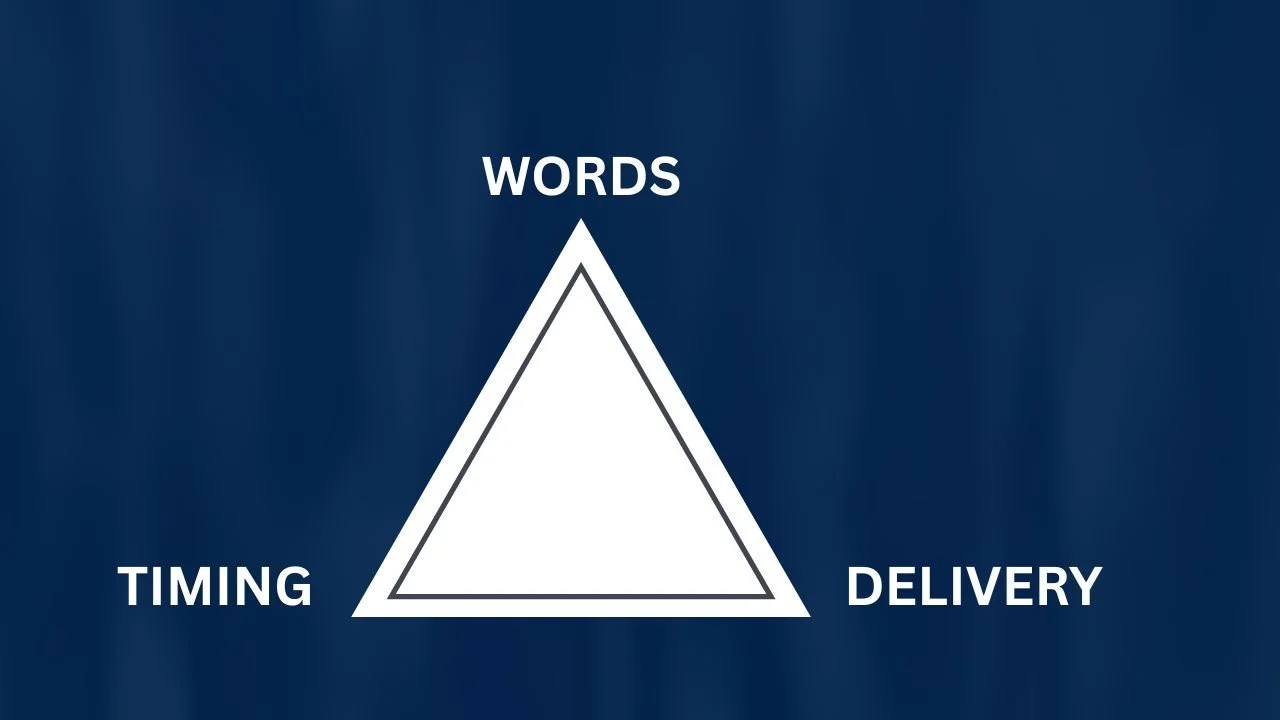
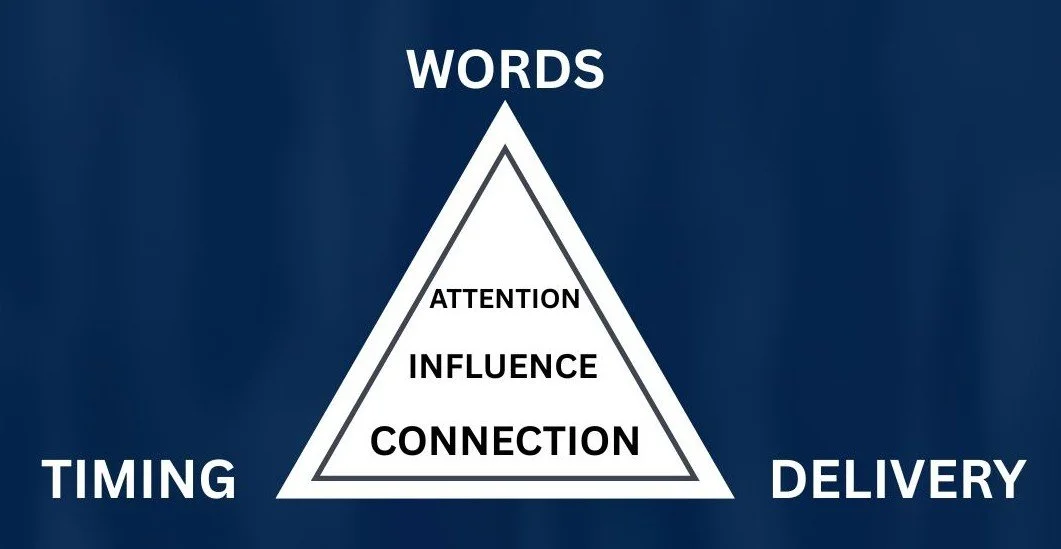
It includes the timing of words.
Timing is everything.
An average thirty second commercial in prime time? $2-$400,000.
During the 2026 Super Bowl? $8,000,000.
It decides whether movies and books are summer blockbusters or Holiday releases.
It’s the hours we pay for an attorney.
It’s the “real estate” of prime time or lunchtime placement of advertisements in digital, print, and traditional television slots.
It’s the strategic pause before the punch line.
And their delivery.
A lawyer might have the perfect argument, but if it’s delivered poorly…
A commercial may have the perfect script, but if an actor fails to deliver the emotion and urgency…
A comedian might have the best sketch, but on a bad night?
They fail.
Whether a sermon or a Ted Talk, a marriage proposal or political debate, the words, the timing, and the delivery all matter.
One of the best?
Nike.
Nearly forty years after it’s start, Nike’s “Just Do It” campaign has left an indelible footprint on our culture. It’s strength?
Reframing effort with one word.
‘Just’ minimized the time, effort, and pain of working out…in favor of the gain.
Instead of “working out is hard.” It became, “Just start.”
We still carry it into work and our homes.
If words, and how they’re timed and delivered, are worth $1.1 trillion, are we paying enough attention to them?
They’re the first thing we think of.
But the last we think about.
Before we speak.
After we listen or read.
When we talk to ourselves.
What they’ve cost us…and others?
Businesses Buy What Words Build.
What Are We Building?
One of the favorite questions in a WORDshop?
“Name a line from a song or movie you can’t forget?”
Every room is different, but heads nod in appreciation of the answers in every room.
One that stands out and made me pause was a young lady explaining her kids could recite Bluey…and Monty Python.
Unbelievably impressive work for two kids under ten years old.
We all carry the catchy jingle.
The movie.
The song.
As well as the past relationship.
The former co-worker or boss.
The conversation.
They may have ended. The words didn’t.
For authors, creators, script writers, and lyricists? That’s what they count on.
And what we discount.
Mark Twain nailed it.
“The difference between the almost right word and the right word is really a large matter—It’s the difference between the lightning bug and the lightning.”
So they write and re-write. Revise. Edit some more. Then pass it to others to review for even more changes. The final product often isn’t close to the original. The first draft may be thrown out entirely. Same as the second and third.
An average script for a movie? Between twenty – five and forty revisions on average.
A television script goes through fifteen to twenty-five.
A television ad?
Thirty-five to fifty changes.
And all of them, movie, television, and ads get edited in real time with changes highlighted and tabbed for the actors, directors, and producers.
The singular goal of editing and revisions?
The audience’s next unit of attention.
Because that buys influence.
Connection.
Growth.
We don’t have a team of professional writers or a director yelling, “Cut!” None of us get a practice audience to pressure test lines before a conversation.
Before a sales meeting.
Before a counseling session with our spouse.
Before a difficult parent-teacher conference.
Our problem? Whether we’re talking to ourselves or others…
We make our first drafts, lasting words.
Why Don’t We Edit In Real Time?
We’re taught early to, “…think before we speak.”
But forgot it’s purpose.
Protection from the weight of:
· “I wish I hadn’t said that.”
· “That didn’t come out right.”
· “Where did that come from?”
· “I thought you meant…”
So it evolved and we “…calculate before we speak.”
For our own protection.
· The sale.
· Our point.
· Our recognition or promotion.
· Our ego.
The real time edit? A “purposeful pause…”
Pause to recognize the assumptions, interpretations, perceptions, and beliefs we’re carrying into every conversation.
Pause to recognize on the other end of our text, email, post, and conversation?
Always a person with a story we don’t know. Who’s also carrying assumptions, interpretations, perceptions and beliefs.
We also don’t know.
The purpose? RE|author reactions into responses.
A pause and real time edit? Same thing attorneys, screenwriters, and authors do.
They make millions.
But the question is what is it worth to you? Maybe more influence over your career?
Connection to your family and friends?
Growth in your performance?
We looked at why we invest $1.1 trillion in the word industry earlier.
Maybe the better investment is in the time examining if our words are just as valuable.
The ones we say to ourselves, others, and type out.
Because you? More valuable than money. So are others.
And so is a pause.
“Just Do It” took twenty minutes to create. It’s lasted nearly four decades and made effort “smaller.”
It also makes us smaller.
“You’re just like…”
“You’re just so…”
“Just so you know…”
“Can’t you just be more…”
The sentence takes four seconds to finish. From someone we trusted – a coach, mentor, peer, parent, teacher, spouse, boss, pastor, or even if we say it to ourselves…
It can last for decades.
The question isn’t how long you’ve replayed a sentence.
Or how many times.
The real question is what has a sentence cost you?
The unnerving question?
What have my sentences cost others?
________________________